Most people don’t love going to the dentist. The idea of drills, numbing shots, and “just a little pressure” doesn’t exactly make us rush to book an appointment. But here’s the thing: millions of people still go to the dentist every six months. Why? Because dentists have cracked the code on communication and prevention.
Now imagine if customers felt the same way about visiting your service center as they do about those twice-a-year dental checkups. Inconvenience, sure - but not fear, not dread, and definitely not suspicion. What can service centers learn from the world of dentistry? Quite a lot, actually.
Why People Say “Yes” to the Dentist
Dentists rarely have to beg patients to get a cavity filled. Here’s why:- They frame it around prevention. “If we don’t catch this cavity now, it could turn into a root canal later.” That sounds painful and expensive, so the smaller treatment makes sense.
- They use visuals. Dentists love X-rays, models, and those awkward mouth mirrors. They don’t just tell patients - they show them the problem.
- They make the benefits relatable. A healthy smile, fresh breath, fewer future costs - patients see clear reasons to act.
What the Automotive Service Industry Gets Wrong
Too often, vehicle owners don’t hear “prevention.” They hear “price.” A service advisor might say, “Your car needs a fuel system cleaning for $149.” But without context, customers default to skepticism:- Do I really need this?
- Are they upselling me?
- Is this just about money?
How to Make Automotive Service More Like a Dental Visit
1. Talk About Prevention FirstDon’t lead with cents (okay, dollars …), lead with sense. “If we clean your fuel system now, it prevents buildup that can cause rough idling, poor fuel economy, and costly repairs down the road.” This mirrors the dentist’s “catch it early” approach.
2. Show, Don’t Just Tell
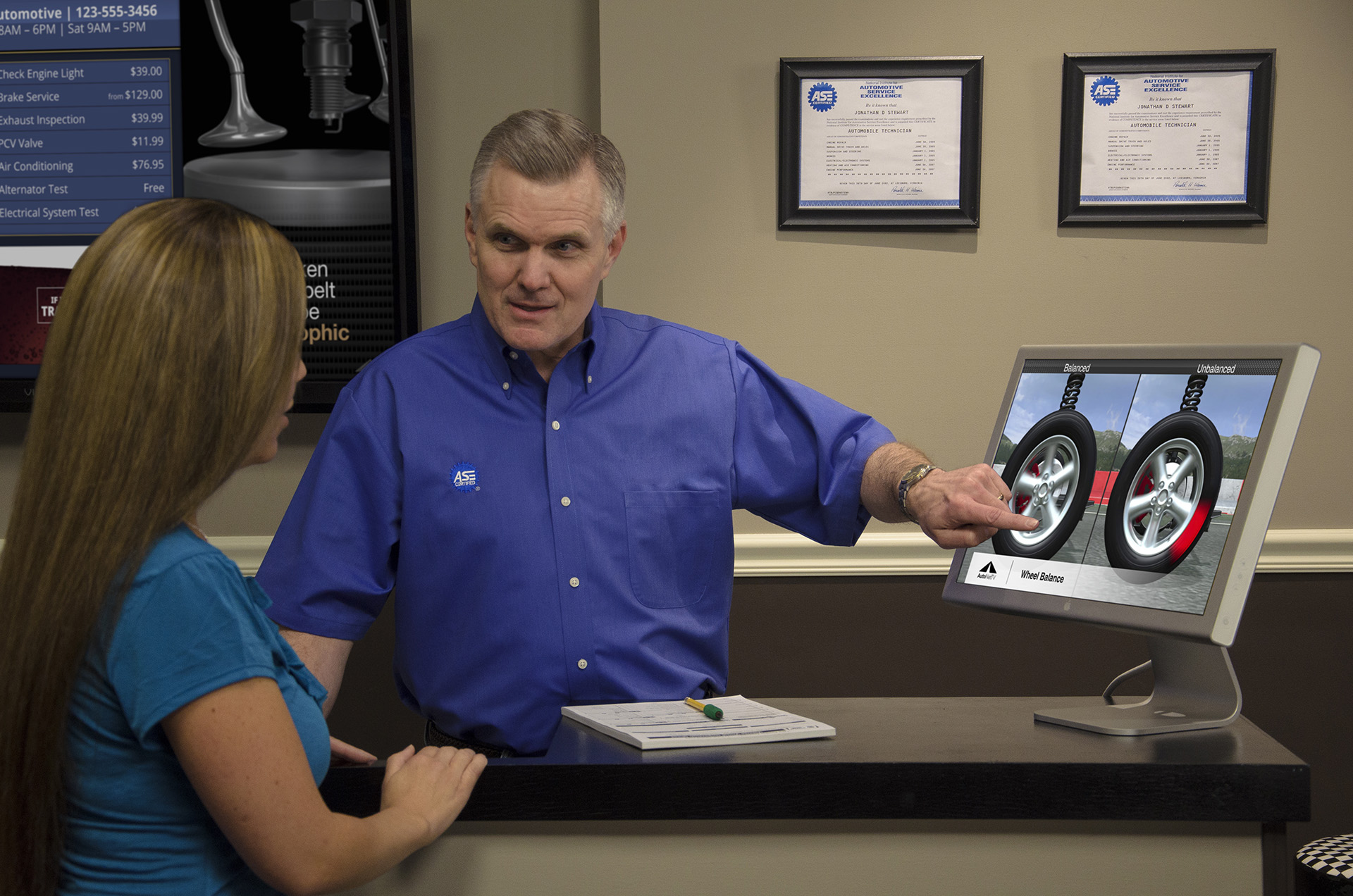
Dentists don’t just say “you have a cavity” - they point to the X-ray. In the same way, service advisors should use visuals: inspection photos, short videos, or digital menu boards. Customers believe what they can see.
Need proof of this? See, you’re just like your customers … 😊 AutoNetTV’s Vehicle Owner Research asked thousands of vehicle owners to watch some AutoNetTV Car Care videos and then respond to several questions. 95.4% of respondents said watching AutoNetTV’s videos increased their feelings of credibility towards a service provider that showed those videos.
3. Make the Benefits Personal
Nobody gets excited about “polymer additives” in transmission fluid. But they do care about smooth shifting on the freeway, fewer surprise breakdowns, and more money in their pocket long-term. Translate the technical into tangible, especially by focusing on safety, performance, and savings.
4. Normalize the Routine
Dentists have trained us to think: “Every six months, checkup and cleaning.” What if customers thought the same about oil changes, tire rotations, or seasonal inspections? Shops that establish clear service schedules (and reinforce them with reminders, blog content, and video explanations – on your website, or in your waiting area) build trust and reduce pushback.
Virtually all of your customers need preventive maintenance services. According to the Car Care Council, 85% of vehicles on the road need some type of maintenance. That means most customers are overdue – a lot like dental patients who skip flossing.
This is where videos, digital menu boards, and blog articles shine. They’re like the dental X-ray: visual proof that makes the abstract tangible. When a customer sees a short video explaining what a timing belt does, they stop thinking “extra cost” and start thinking “necessary protection.” These tools also normalize routine maintenance - turning it into something expected, understood, and trusted.
People don’t go to the dentist because they love drills - they go because they understand prevention, they’ve been shown the evidence, and they see the personal benefit. If your service center applies the same principles - prevention first, visual proof, and relatable benefits - you’ll flip the script. Instead of dreading service visits, your customers will accept them as a normal, even smart, part of protecting their vehicle investment.
And hey – opening a hood is a lot better than opening someone’s mouth.
Visual Aids for Your Service Advisor